Software Development's Future: Key Trends for 2024
The software development landscape is positioned for major transformation in 2024. Important trends, such as AI incorporation and the growth of low-code platforms, will revolutionize application building. When organizations champion DevOps collaboration and shift to cloud-native architectures, a transformed landscape appears. Still, these progressions present significant challenges regarding cybersecurity and sustainable practices. What effects will these trends create for developers and the industry as a whole?
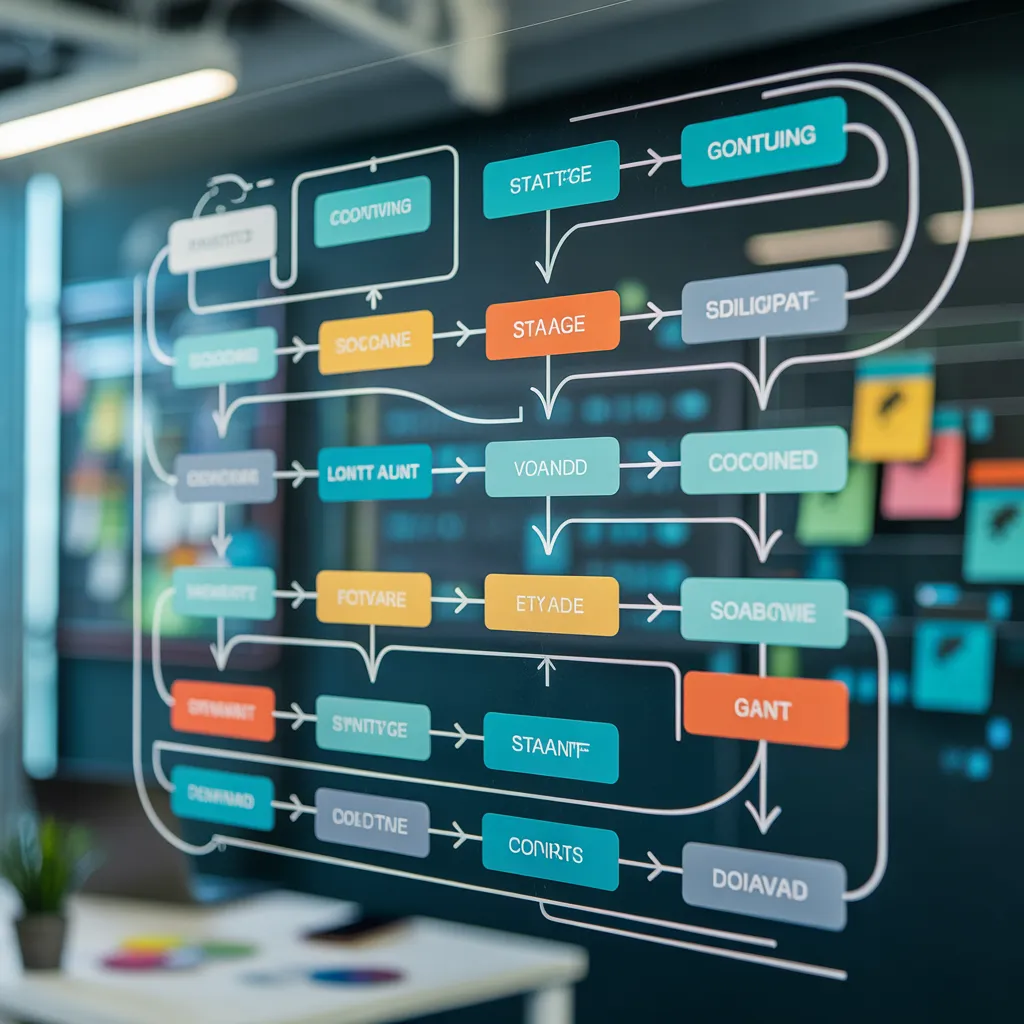
The Emergence of AI in Development
As the software development field progresses, the integration of artificial intelligence (AI) has emerged as a pivotal trend shaping the industry. AI technologies are steadily being adopted to improve processes, elevate productivity, and strengthen decision-making. Developers employ machine learning algorithms to automate routine tasks, such as code reviews and bug detection, permitting them to focus on more sophisticated and creative aspects of their work.
Moreover, AI-powered technologies facilitate predictive analytics, allowing teams to anticipate project risks and distribute resources more efficiently. Natural language processing (NLP) elevates user experience by facilitating chatbots and virtual assistants to offer real-time support. Furthermore, AI facilitates personalizing software applications, customizing features based on user behavior and preferences.
AI's growth in development not only increases efficiency but also promotes innovation, encouraging teams to explore new solutions and technologies that were previously inconceivable. As this trend progresses, it aims to redefine the software landscape in 2024 and beyond.
Embracing DevOps for Enhanced Collaboration
As software projects grow more complex, organizations are acknowledging the need to adopt DevOps practices to foster collaboration between development and operations teams. This cultural shift underscores shared responsibility and integration, driving improved efficiency and faster delivery of software products. By removing silos, teams can participate in open communication, ensuring that feedback loops are established, and issues are resolved promptly.
The implementation of automated solutions further improves this teamwork, refining operations such as testing, deployment, and monitoring. CI/CD (CI/CD) pipelines enable teams to release updates more frequently and with greater confidence. In addition, the emphasis on metrics and performance monitoring enables data-driven decision-making, harmonizing aims across different teams.
As organizations navigate the complexities of modern software development, the dedication to DevOps practices will play a critical role in fostering a culture of collaboration, ultimately driving innovation and improving overall project success.
Enhanced Embrace of Low-Code and No-Code Platforms
The growth of low-code and no-code platforms is revolutionizing the software development landscape by broadening access to technology. This shift not only speeds up development processes but also encourages enhanced collaboration and innovation among teams. As organizations increasingly adopt these tools, they are equipping a wider range of individuals to engage in software projects.
Bringing Software Development to Everyone
While traditional software development frequently requires comprehensive coding knowledge, the emergence of low-code and no-code platforms is reshaping the landscape by enabling a wider range of individuals to develop applications. These platforms deliver user-friendly interfaces and pre-built templates, allowing business professionals, educators, and hobbyists to develop software without possessing deep technical skills. This democratization promotes innovation, as continually more diverse perspectives contribute to application design. Organizations can leverage these tools to enhance processes, reduce development costs, and quicken time-to-market. Moreover, low-code and no-code platforms enable teams to adjust quickly to dynamic business needs, increasing adaptability in a fast-paced digital environment. Eventually, this trend is reshaping who gets to participate in software development, making it substantially more inclusive and accessible.
Streamlining Programming Processes
A notable evolution in software development processes is happening as organizations increasingly embrace low-code and no-code platforms. find the information These tools empower users, including those without comprehensive programming knowledge, to build applications swiftly and efficiently. By enhancing the development cycle, businesses can respond more quickly to market demands and decrease time-to-market for new solutions. This trend not only streamlines workflows but also reduces the burden on IT departments, empowering them to dedicate resources on more complex projects. Additionally, the integration of low-code and no-code platforms cultivates innovation, as teams can experiment and iterate on ideas without significant resource investment. As adoption grows, these platforms are likely to reshape the landscape of software development, making it more approachable and agile.
Boosting Team Cooperation and Inventiveness
As low-code and no-code platforms increase in popularity, their impact on collaboration and innovation within organizations becomes increasingly evident. These platforms allow non-technical users to take part in software development, narrowing the gap between IT and business teams. By expanding access to development tools, organizations promote a culture of collaboration, allowing employees from multiple departments to engage in building solutions designed for their specific needs. This cross-functional engagement enhances problem-solving and promotes innovative thinking, as different perspectives are integrated into the development process. Furthermore, the reduction of bottlenecks linked to traditional coding liberates IT resources, enabling them to dedicate time to more complex projects. Ultimately, the emergence of low-code and no-code platforms improves organizational agility and responsiveness in an continuously developing digital landscape.
The Transition to Cloud-Native Architectures
Embracing cloud-native architectures is becoming a significant strategy for organizations aiming to enhance scalability and agility in their software development processes. This transition enables teams to develop applications that harness the entire power of cloud environments, resulting in faster deployment and enhanced resource utilization. By adopting microservices and containerization, developers can develop modular applications that are easier to maintain and update.
Furthermore, cloud-native architectures enable continuous integration and continuous delivery (CI and CD), allowing fast iterations and lowering time-to-market. Organizations are increasingly utilizing platforms such as Kubernetes to orchestrate their cloud-native applications, guaranteeing optimal scaling and resilience.
The rise of serverless computing similarly embodies this trend, permitting developers to focus on writing code without worrying about infrastructure management. As businesses keep prioritize digital transformation, the shift to cloud-native architectures is projected to play a vital role in shaping software development practices in 2024 and beyond.
Rising Relevance of Cybersecurity in Application Development
As software development progresses into 2024, the integration of cybersecurity into the development lifecycle becomes progressively important. This shift emphasizes the adoption of security by design principles and the rise of DevSecOps practices, which work to incorporate security measures throughout the development process. In addition, continuous threat monitoring strategies are essential for proactively addressing vulnerabilities in real-time.
Integrating Security Through Design
While the digital landscape evolves continuously, the integration of security by design has become a fundamental aspect in software development. This proactive approach emphasizes incorporating security measures throughout the development process rather than considering them an afterthought. By making security from the start, developers can identify and mitigate vulnerabilities early, decreasing the risk of breaches and improving overall software resilience. This shift not only protects sensitive data but also builds user trust and compliance with regulatory standards. As cyber threats evolve in complexity, organizations recognize that integrating security by design is essential for securing assets and ensuring long-term success. Ultimately, this trend reflects a broader commitment to creating secure, reliable, and high-quality software solutions in an constantly evolving environment.
Rise of DevSecOps Practices
Due to the escalating prevalence and advancement of cyberattacks, organizations are progressively implementing DevSecOps practices to integrate security into every phase of the software development lifecycle. This approach emphasizes cooperation between development, security, and operations teams, confirming that security measures are integrated from the outset rather than attached as an afterthought. By streamlining security processes and implementing continuous testing, organizations can identify vulnerabilities earlier, minimizing risks and costs associated with breaches. Moreover, the rise of cloud-native applications and microservices architectures requires a shift in security paradigms, driving teams to adopt proactive measures. As cyber threats evolve, embracing DevSecOps becomes crucial for organizations seeking to deliver secure software efficiently while maintaining compliance with regulatory standards.

Ongoing Threat Monitoring Approaches
Due to the increasing complexity of cyber threats, continuous threat monitoring strategies have become vital in the software development process. These strategies encompass real-time surveillance of applications, systems, and networks to detect and respond to vulnerabilities promptly. By integrating automated tools and analytics, development teams can detect potential security breaches before they escalate. This proactive approach not only strengthens the security posture of software products but also builds confidence in users. In addition, continuous monitoring enables compliance with regulatory standards, which is increasingly important in today's digital landscape. As cyber threats develop, organizations must focus on these strategies to protect their development environments and maintain trust in their software solutions, ultimately promoting a culture of security throughout the development lifecycle.
The Evolution of Agile Methodologies
Agile practices have seen remarkable development over the past few years, adapting to the swiftly transforming landscape of software development. Previously emphasizing iterative development and customer collaboration, Agile has expanded to incorporate practices from DevOps and Lean principles, highlighting continuous delivery and integration. This evolution demonstrates a growing recognition of the need for flexibility and quick reaction to market demands.
Contemporary frameworks, like Scrum and Kanban, have been improved with hybrid approaches that merge traditional project management with Agile techniques. Teams are continually leveraging automation tools to simplify workflows and increase efficiency. Furthermore, the integration of remote collaboration tools has promoted Agile practices across distributed teams, enhancing communication and sustaining productivity.
As companies keep adopting Agile, the emphasis is shifting towards creating a culture of partnership and versatility, guaranteeing that teams can competently address the intricacies of today's software creation while delivering high-quality products.
Concentrate on Sustainability and Green Software Practices
As the software engineering field confronts the implications of climate change, a rising emphasis on sustainability and green software practices is emerging. Developers are continuously adopting eco-friendly approaches, focusing on minimizing energy consumption and decreasing waste throughout the software lifecycle. This shift includes implementing energy-efficient coding practices, optimizing algorithms for better performance, and prioritizing cloud services that utilize renewable energy sources.
Additionally, companies are implementing tools to assess the carbon footprint of their applications, encouraging teams to make informed decisions that match sustainable goals. Partnership between developers and environmental experts is also on the rise, fostering innovative solutions that address ecological concerns. As regulations and consumer expectations shift towards sustainability, the adoption of green practices in software development is anticipated to become a standard, driving the industry towards a more responsible and eco-friendly future.
Most Asked Questions
How Can Software Development Jobs Transform Over the Next Ten Years?
Software development roles will gradually prioritize automation, artificial intelligence incorporation, and collaborative tools. The demand for specialized skills in cybersecurity and data analysis will rise, while traditional coding functions may adapt or decrease over time.
What Skills Will Developers Need for Future Technologies?
Software engineers will require proficiency in artificial intelligence, cloud technologies, and cybersecurity. Additionally, flexibility with developing programming languages and frameworks, alongside robust teamwork and analytical skills, will be crucial for navigating future technological landscapes.
How Can New Businesses Capitalize on Emerging Trends in Software Development?
Startups are able to capitalize on emerging trends in software development by embracing agile methodologies, leveraging cloud services for scalability, integrating automation tools for efficiency, and concentrating on user-centered design to boost customer experience and foster innovation.
What Function Will Open Source Serve in Future Software Development?
Open source will greatly influence future software development by fostering collaboration, lowering costs, and speeding up innovation. As developers increasingly adopt open frameworks, they will improve transparency and flexibility, generating more reliable and adaptive software solutions.
How Might User Privacy Concerns Impact Software Development Practices?
Privacy concerns from users will significantly impact software development practices, pushing developers to emphasize data protection, bolster encryption methods, and embrace transparent privacy policies, eventually shifting focus toward creating user-centric applications that conform to stringent regulations.